Choosing a Yoga Block seems simple until you actually compare materials, firmness, surface grip, size, weight, and daily use scenarios. A block that feels perfect for a beginner may feel too soft for advanced balance work. A beautiful natural cork block may be ideal for studio practice but less convenient for daily travel. This article explains how to select the right Yoga Block for stretching, alignment, balance, restorative poses, Pilates, mobility training, and retail sourcing. It also highlights practical buying concerns such as comfort, durability, cleaning, customization, and long-term value for brands, studios, and individual practitioners.
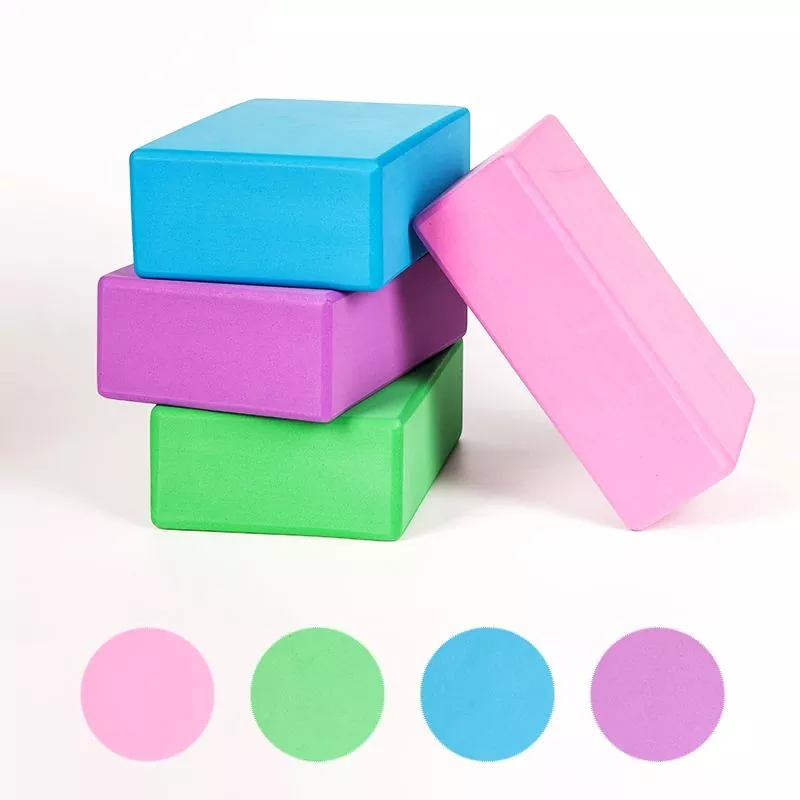
Many people first see a Yoga Block as a simple rectangular prop. It sits beside the mat, looks easy to use, and may not seem as important as the mat itself. Yet once practice begins, the block quickly becomes one of the most useful tools in the room. It shortens the distance between the body and the floor, supports safer alignment, and gives the practitioner more control when flexibility, balance, or strength is still developing.
For beginners, the biggest challenge is often not motivation. It is the gap between what a pose looks like and what the body can safely do today. When a person tries to force the hand to the floor in triangle pose, push too deeply in a forward fold, or hold the hips unevenly in a seated stretch, the body may compensate in the lower back, knees, shoulders, or neck. A reliable Yoga Block helps reduce that pressure by raising the ground and allowing the body to move with more patience.
For experienced users, the block is not a “beginner tool” at all. It can deepen chest opening, refine balance transitions, add height to supported bridges, create resistance in strength drills, or bring stability to restorative sequences. In teaching environments, blocks also make classes more inclusive. Students with different flexibility levels can join the same sequence without feeling left behind.
A well-chosen Yoga Block is useful because it answers real practice problems, not because it looks nice in product photos. Buyers usually care about comfort, safety, stability, value, and whether the product can serve different users. Below are some common pain points that a quality block can help solve.
This is also why product quality matters. A block that is too soft may compress too much under weight. A surface that becomes slippery with sweat can reduce confidence. Edges that feel sharp may irritate the palms, ribs, or spine during supported poses. When Ningbo Boga Sports Goods Co.,Ltd. develops yoga accessories, the practical experience of the user matters just as much as the visual appearance of the product.
The material of a Yoga Block affects almost everything: weight, firmness, grip, cleaning, touch, durability, and the way it feels under the body. There is no single best material for every user. The better question is which material matches the practice environment and customer expectation.
| Material Type | Best For | Main Advantages | Buyer Considerations |
|---|---|---|---|
| EVA Foam Yoga Block | Beginners, home practice, travel, studios, online retail | Lightweight, comfortable, easy to carry, soft enough for supported poses | Check density, surface grip, edge smoothness, and resistance to deformation |
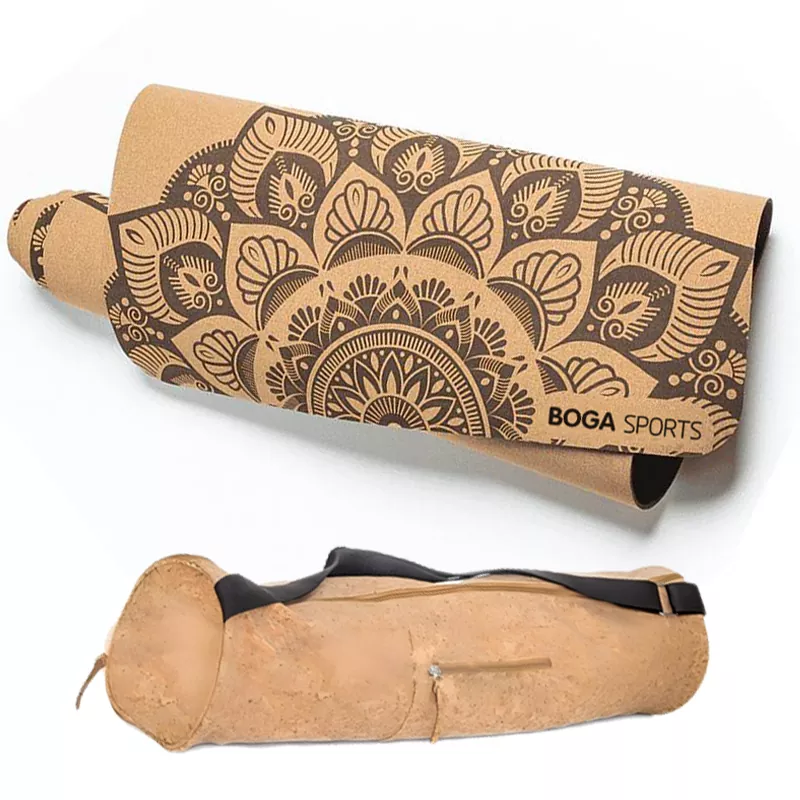
| Cork Yoga Block | Natural-style studios, eco-conscious buyers, firm support, balance work | Stable, firm, naturally textured, grounded feel, strong visual appeal | Heavier than EVA; needs good cork quality and clean finishing |
| Special Shape Yoga Block | Mobility training, creative sequences, Pilates, squat assistance, product differentiation | More functional angles, fresh product appearance, useful for niche training needs | Shape should solve a real use problem, not only look different |
EVA is often chosen when buyers need a flexible, lightweight, and cost-effective product. It is comfortable under the hands, knees, elbows, or back, which makes it friendly for new practitioners. Cork is often chosen when users want a more solid and grounded feeling. It can feel reassuring in balance poses because it does not compress as much. For retailers and fitness brands, offering both EVA and cork blocks can cover different customer preferences without overcomplicating the product line.
Size and shape are easy to overlook, but they strongly affect how a Yoga Block performs. A standard rectangular block is popular because it offers three height options. Users can place it flat for low support, on the side for medium height, or upright for maximum height. This makes one block useful across many poses.
Rounded edges are especially important for comfort. During supported bridge, chest opening, seated poses, or side stretches, the body may rest directly on the block. If the edges are too hard or poorly finished, the user may feel discomfort before the pose has any benefit. Smooth corners also make the block feel better in the hands, especially during flow classes where the user frequently moves the block around the mat.
Specialty shapes can serve more specific needs. A half-moon shape may support curved body areas more naturally. An oval shape may create a softer visual style and smoother contact. An angled squat block can help users adjust ankle position, improve squat depth, or support mobility training. These designs are useful when they are connected to a clear function.
For product buyers, the smartest choice is not always the most unusual design. A strong product line usually begins with reliable standard blocks, then adds special shapes for differentiation, training variety, or brand positioning.
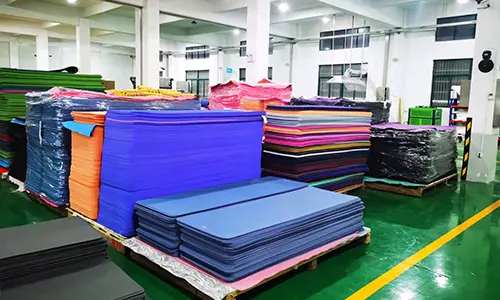
For studios, wholesalers, private-label brands, and e-commerce sellers, choosing a Yoga Block is not only about the sample in hand. A product may look acceptable at first glance, but bulk ordering requires a closer review of consistency, packaging, customization, and supplier communication.
Ningbo Boga Sports Goods Co.,Ltd. works with yoga and fitness products, including different Yoga Block options such as EVA blocks, cork blocks, and special-shape designs. For buyers, this matters because product selection is easier when the supplier understands both training use and commercial requirements.
A Yoga Block can do more than support poses. It can improve how customers feel about a class, a brand, or a product purchase. In a studio, blocks make practice less intimidating. New students are more likely to return when they feel that the class meets them where they are. Teachers can also use blocks to offer clear modifications instead of asking students to “just try harder.”
For retailers, blocks are useful entry-level products. They are easy to understand, easy to ship, and suitable for beginners, experienced practitioners, Pilates users, mobility trainers, and home workout customers. A well-presented block set can also pair naturally with yoga mats, straps, towels, resistance bands, and massage balls. This creates better product bundles and increases customer convenience.
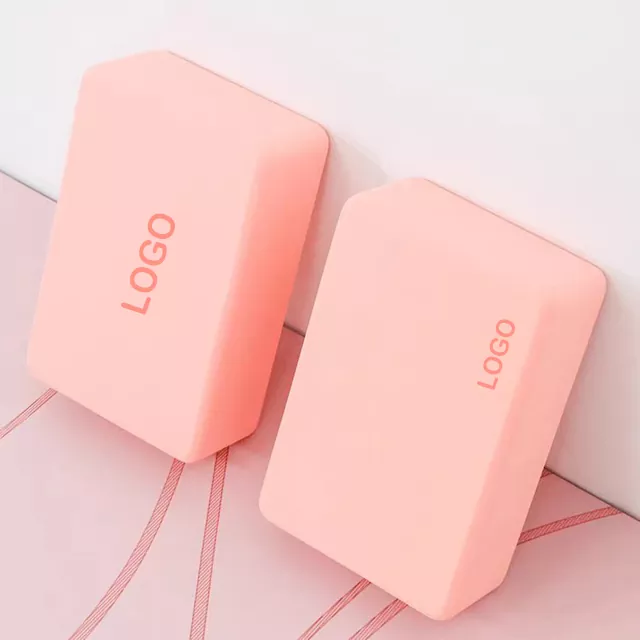
For private-label brands, the block offers strong customization potential. Color, logo, packaging, shape, and material can all help communicate brand identity. A minimalist cork block may suit a natural wellness brand. A bright EVA block may fit a beginner-friendly home fitness line. A unique squat or half-moon design may help a brand stand apart in a competitive online marketplace.
| Buyer Type | Recommended Yoga Block Focus | Customer Value |
|---|---|---|
| Yoga Studio | Durable EVA and cork blocks in consistent sizes | Better class accessibility and safer modifications |
| Online Retailer | Lightweight EVA blocks with attractive colors and packaging | Easy purchase decision for beginners and home users |
| Wellness Brand | Cork blocks or natural-style designs | Stronger connection with mindful and eco-conscious customers |
| Fitness Equipment Distributor | Mixed product line with standard and special-shape blocks | Broader market coverage and more product bundle options |
The best product strategy is usually practical rather than flashy. A dependable Yoga Block should feel good in the hand, stay stable under pressure, look clean after regular use, and match the buyer’s sales channel. When these details are handled well, the block becomes a quiet but powerful part of the user’s daily training routine.
No. Beginners use blocks to make poses more accessible, but experienced practitioners also use them for deeper stretching, balance training, strength drills, restorative support, and alignment refinement.
EVA is lighter and softer, making it convenient for travel, home practice, and beginner use. Cork is firmer and heavier, making it suitable for users who prefer a more grounded and stable feeling.
One block is enough for many basic poses, but two blocks are more versatile. A pair can support both hands evenly, assist restorative poses, and help users maintain balanced alignment.
Standard rectangular blocks are the safest choice for most buyers because they provide three usable height levels. Custom sizes may be useful for specific markets, children’s yoga, Pilates, or specialty training.
Yes. Many commercial buyers request custom colors, logos, packaging, and shapes. For private-label projects, it is important to confirm sample quality, printing effect, packaging structure, and production consistency before bulk ordering.
Most blocks can be wiped with a damp cloth after use. Strong chemical cleaners should usually be avoided because they may affect the surface texture, color, or material feel. The block should be fully dry before storage.
A good Yoga Block should support the body, protect confidence, and make practice feel more approachable. For commercial buyers, it should also support the business behind the product: stable quality, clear customization, suitable packaging, and dependable communication. Whether you are building a yoga studio set, refreshing an online product line, or developing private-label fitness accessories, choosing the right block is a small decision that can shape the customer’s entire practice experience.
Ningbo Boga Sports Goods Co.,Ltd. offers practical yoga and fitness product options for buyers who care about usability, appearance, and flexible product development. If you are looking for EVA blocks, cork blocks, special-shape blocks, or customized yoga accessories for your market, contact us to discuss your product needs and create a Yoga Block solution that fits your brand, your customers, and your next sales plan.