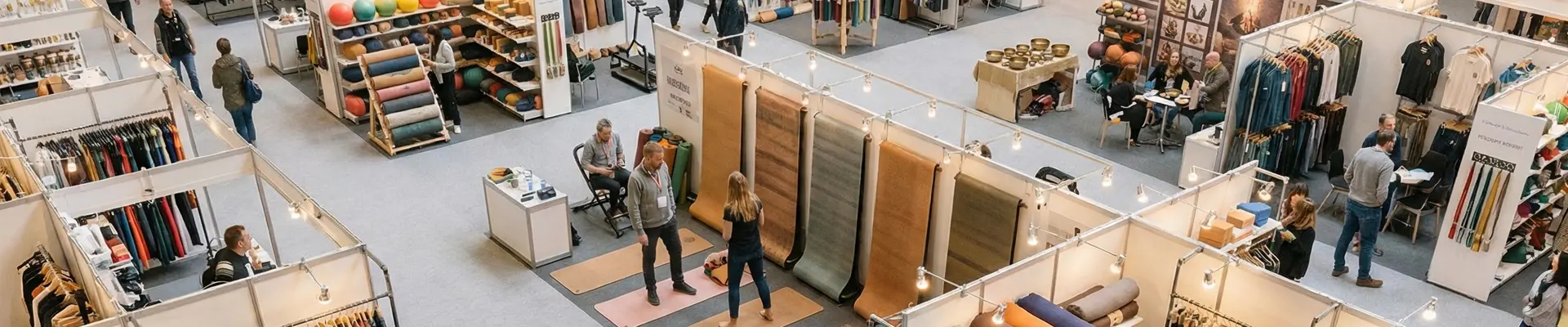
Silicone Weighted Accessories are no longer niche add-ons for boutique studios. They are becoming a practical answer to several everyday problems buyers face with traditional training tools, including noise, floor damage, poor grip, limited comfort, and a design that does not fit home, rehab, and commercial use equally well. In this article, we look at what buyers truly care about before sourcing these products, how the right silicone construction improves usability, which product types fit different training scenarios, and what to check before placing an order. We also explore why manufacturers such as Ningbo Boga Sports Goods Co.,Ltd. are attracting attention from brands, studios, and distributors seeking a cleaner, quieter, and more versatile training category.
For years, many gyms, retailers, and fitness brands relied on traditional weighted products made with exposed metal, fabric wraps, rough hook-and-loop closures, or hard plastic shells. Those products still have a place, but the market has changed. Home fitness has become more design-conscious. Boutique studios want quieter classes. Rehabilitation programs need tools that feel less intimidating. Consumers also expect a product that looks refined enough to keep out in the open instead of being hidden in a closet.
That shift is exactly why Silicone Weighted Accessories have gained momentum. Buyers are no longer choosing based on weight alone. They are also evaluating sound level, surface feel, storage convenience, skin comfort, product aesthetics, and whether a single product line can work across strength training, Pilates, mobility, and recovery sessions.
Traditional products often fail in one or more of those areas. A rough strap can rub the skin. A metal edge can damage flooring. A poorly balanced shape can roll away. A loud drop can trigger complaints in apartment gyms or home environments. And when the visual finish looks cheap, even a technically functional item can struggle in premium retail channels.
Buyers who understand their market are starting to ask a better question: not just “How much does it weigh?” but “How will it actually perform in real use?” That is where Silicone Weighted Accessories begin to stand out.
The strongest products solve real-world problems without making the user think too hard. That is one of the biggest reasons Silicone Weighted Accessories appeal to both commercial and consumer buyers. They are easy to understand the moment someone touches them.
For buyers working with distributors, online stores, studios, or branded training programs, this combination is commercially valuable. A product that feels better, photographs better, and causes fewer complaints is much easier to sell repeatedly.
| Buyer Concern | How Silicone Weighted Accessories Help | Why It Matters Commercially |
|---|---|---|
| Noise during use | Softer outer surface helps reduce harsh impact sound | Useful for home, studio, rehab, and apartment settings |
| User comfort | Smoother touch and more skin-friendly feel | Supports longer sessions and better user satisfaction |
| Visual appeal | Modern shapes and clean color presentation | Improves shelf appeal and online conversion potential |
| Brand differentiation | Flexible options for logo, color, texture, and packaging | Helps private label and OEM programs stand out |
| Multi-scene usability | Works across strength, mobility, Pilates, and recovery | Broadens target customer base with fewer SKUs |
One reason this category is growing is that it is not limited to one product style. Silicone Weighted Accessories can serve different training goals while keeping a unified material identity. That makes them attractive for brands building collections rather than isolated items.
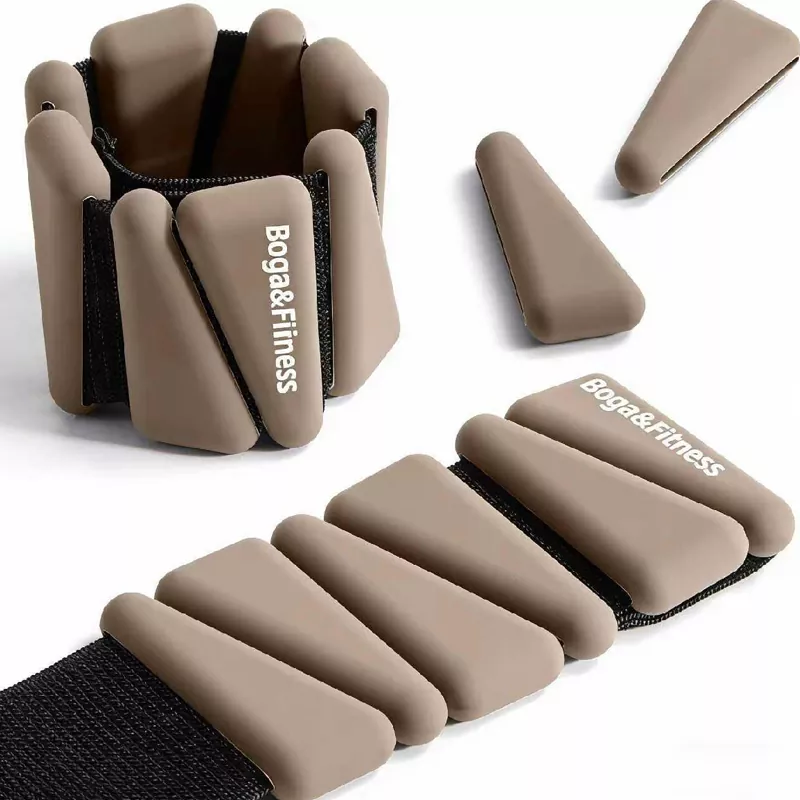
1. Silicone ankle and wrist weights
These are especially useful for walking workouts, barre, Pilates, bodyweight training, mobility drills, and light rehabilitation. Buyers often prefer designs that reduce slipping, distribute weight evenly, and avoid the roughness associated with old-style strap systems.
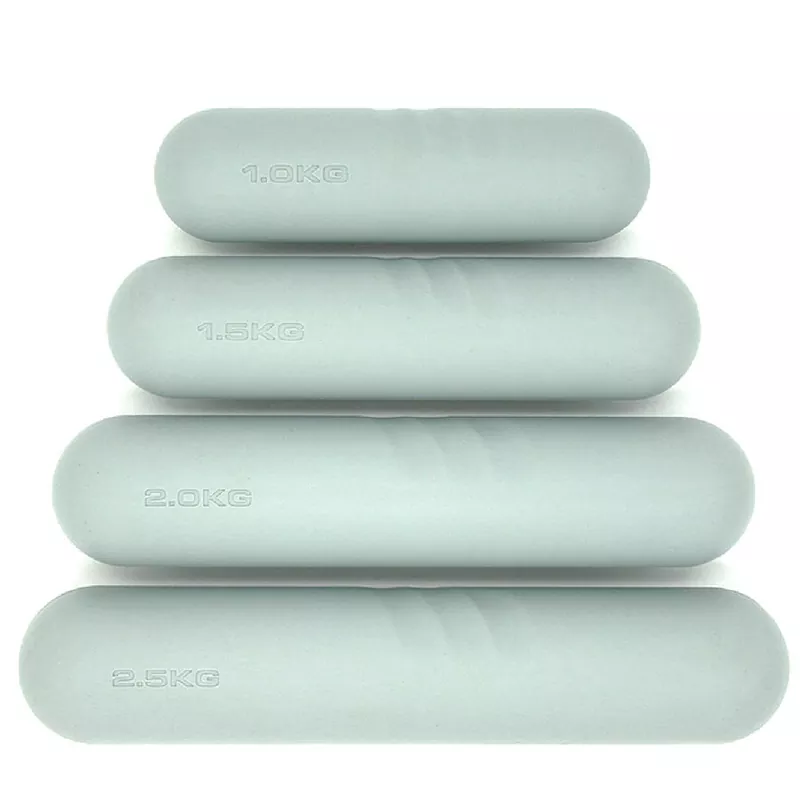
2. Silicone-coated dumbbells
Dumbbells remain a core category, but silicone-coated versions make sense when buyers want quieter training gear with a more premium look. They are appealing for home gyms, premium apartments, hotel fitness rooms, women-focused training zones, and content-friendly studio environments.
3. Weighted rings and power rings
These work well in functional training, Pilates extensions, controlled strength movement, and instructor-led classes. Their shape also offers a more distinctive visual identity than a standard free weight, which can be helpful for brand-led training systems.
4. Weighted bars and specialty shapes
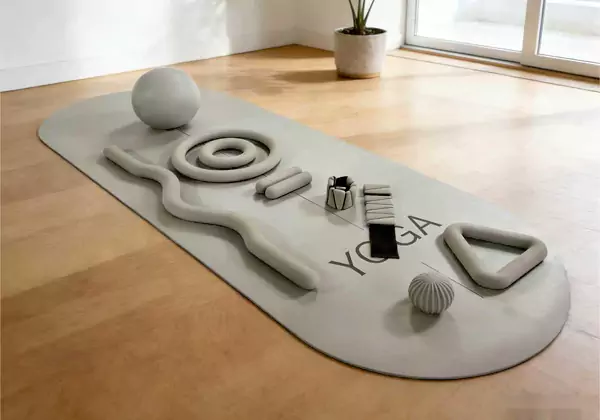
Specialty formats create room for innovation. Curved bars, triangular forms, and other ergonomic structures can help brands enter a less crowded space while targeting users who want something more intuitive and more design-driven than legacy gym tools.
| Product Type | Best Use Cases | Typical Buyer Profiles |
|---|---|---|
| Silicone ankle/wrist weights | Walking, Pilates, light strength, rehab | Fitness brands, studios, rehabilitation suppliers |
| Silicone-coated dumbbells | Home training, group classes, hotel gyms | Retailers, gym chains, apartment fitness projects |
| Silicone power rings | Functional training, circuit classes, Pilates | Studios, instructors, content creators, wellness brands |
| Specialty weighted shapes | Differentiated training systems and premium collections | OEM buyers, private-label brands, design-led sellers |
This is where a manufacturer’s category depth becomes important. Ningbo Boga Sports Goods Co.,Ltd. can be positioned naturally in this conversation because buyers often prefer suppliers that understand not only one hero product, but also how multiple Silicone Weighted Accessories can be developed into a coherent line for different channels and training scenarios.
Buyers do not need vague promises. They need a realistic comparison. Silicone Weighted Accessories are not automatically the best option for every single budget or every single application, but they offer a compelling balance that is hard to ignore when the target market values comfort, appearance, and lower-noise use.
| Material Style | Main Strengths | Main Limitations | Best Fit |
|---|---|---|---|
| Silicone-based exterior | Quiet, smooth feel, premium look, brand-friendly customization | May sit at a higher perceived value tier than the lowest-cost options | Premium retail, studio, home, rehab, branded programs |
| Fabric or neoprene wraps | Common and familiar in the market | Can wear out, absorb sweat, feel less refined, may shift during use | Entry-level segments |
| Exposed metal | Durable core performance, straightforward structure | Noisier, harsher on flooring, less approachable for many users | Traditional gym settings |
| Hard plastic shell | Can be cost-effective and visually neat at first glance | Often less comfortable and less premium in tactile use | Price-led segments |
In other words, Silicone Weighted Accessories are not simply about softness. They represent a broader product philosophy: lower friction in every sense. Less noise. Less intimidation. Less visual clutter. Less discomfort. That combination makes them especially attractive in the current market, where users want equipment they will actually reach for regularly.
This is where many good product ideas go wrong. A buyer may love the concept, approve a sample too quickly, and only later discover issues with odor, uneven filling, inconsistent color, weak logo durability, or unstable lead times. If you are sourcing Silicone Weighted Accessories for resale or branded use, a careful checklist can save a great deal of trouble.
Buyers are often surprised by how much commercial value comes from asking practical questions early. For example, if your market is apartment fitness or Pilates studios, sound level and aesthetics may matter more than a broader weight range. If your market is branded instructor kits, portability and logo presentation may matter more than heavy-duty gym appeal. Good sourcing starts with matching the product to the real use case.
Even experienced buyers can slip into predictable mistakes when a category looks simple on the surface. Silicone Weighted Accessories may appear straightforward, but the details determine whether the product feels premium or forgettable.
The best buyers treat sourcing as product strategy, not simple procurement. They think about how the item will feel on the shelf, in the hand, in a workout, in a studio, in a customer review, and in the next reorder. That perspective usually leads to better decisions.
Are Silicone Weighted Accessories only for light training?
No. They are especially popular in light to medium training, Pilates, rehabilitation, mobility, and studio-based strength work, but the category can also extend into more structured resistance products depending on design and internal construction.
Do Silicone Weighted Accessories work for commercial gyms?
Yes, especially in areas where noise control, floor protection, and a more premium look are important. They are also suitable for boutique spaces, hotel gyms, and apartment fitness rooms.
Why do many buyers prefer them for home fitness?
Because they are quieter, easier to live with visually, and often feel more comfortable to use in smaller, shared environments.
Can these products be customized for private label business?
In many cases, yes. Buyers commonly request custom colors, logos, weight options, packaging, texture details, and shape adjustments for Silicone Weighted Accessories.
Are Silicone Weighted Accessories suitable for rehabilitation markets?
They can be, particularly when the design emphasizes smooth handling, stable control, and a less intimidating training experience. The exact suitability depends on the product specification and program requirements.
What makes a supplier worth trusting in this category?
A reliable supplier should understand both manufacturing and use scenarios. That includes material quality, balance, comfort, finishing, customization, packaging, and dependable delivery planning.
The market no longer rewards training products only for being functional. Buyers want equipment that performs well, feels good, looks modern, and fits naturally into the spaces where people actually train. That is exactly why Silicone Weighted Accessories deserve more attention right now.
They answer several persistent buyer concerns at once: comfort, noise control, cleaner aesthetics, broader usability, and stronger brand presentation. For importers, retailers, studios, and private-label fitness companies, that makes the category more than a passing trend. It makes it a practical growth opportunity.
If you are planning your next product line or reviewing better options for your current training range, Ningbo Boga Sports Goods Co.,Ltd. is a name worth considering in the conversation around Silicone Weighted Accessories. A capable supplier in this space can help you do more than buy inventory. The right partner can help you shape a product line that is easier to position, easier to sell, and easier for end users to love.
Looking for Silicone Weighted Accessories that combine better comfort, cleaner design, and stronger commercial flexibility? This is a good time to review your options, refine your product plan, and move toward a category with real market appeal. If you want to explore customized solutions, branded development, or bulk supply support, contact us and start the conversation with a team that understands both product performance and buyer expectations.