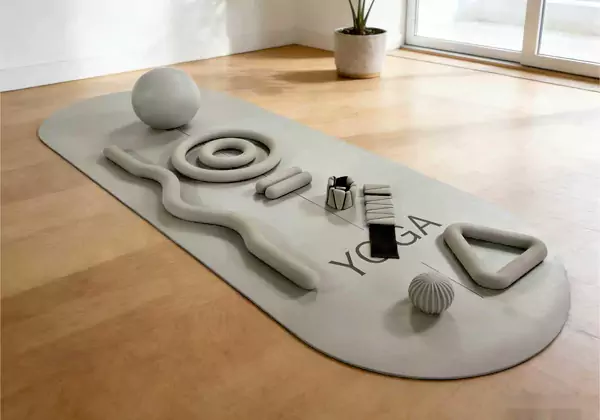

As a specialized fitness equipment manufacturer, BogaSports develops innovative weighted accessories designed to support functional movement, controlled resistance, and everyday training. The Triangular Weighted Ring combines a distinctive geometric shape with a silicone-coated iron core, offering an alternative to conventional round weights for users who value stability, comfort, and targeted muscle engagement.
For fitness brands, Pilates studios, rehabilitation facilities, and home workout enthusiasts, choosing the right weighted accessory involves more than selecting a suitable weight. Shape, grip, surface material, and training purpose all influence the user experience. Understanding these factors can help buyers determine whether a triangular design is the right addition to their fitness equipment range.
A Triangular Weighted Ring is a functional fitness accessory that combines a geometric ring structure with concentrated resistance. Its triangular profile is designed to help reduce unwanted rolling and shifting compared with conventional rounded weights, while a silicone exterior provides a comfortable contact surface. Depending on its weight and fit, the ring can support controlled lower-body exercises, functional movement drills, and selected strength routines. For commercial buyers, customization options such as color, branding, and weight specifications may also create opportunities to develop differentiated fitness product collections.
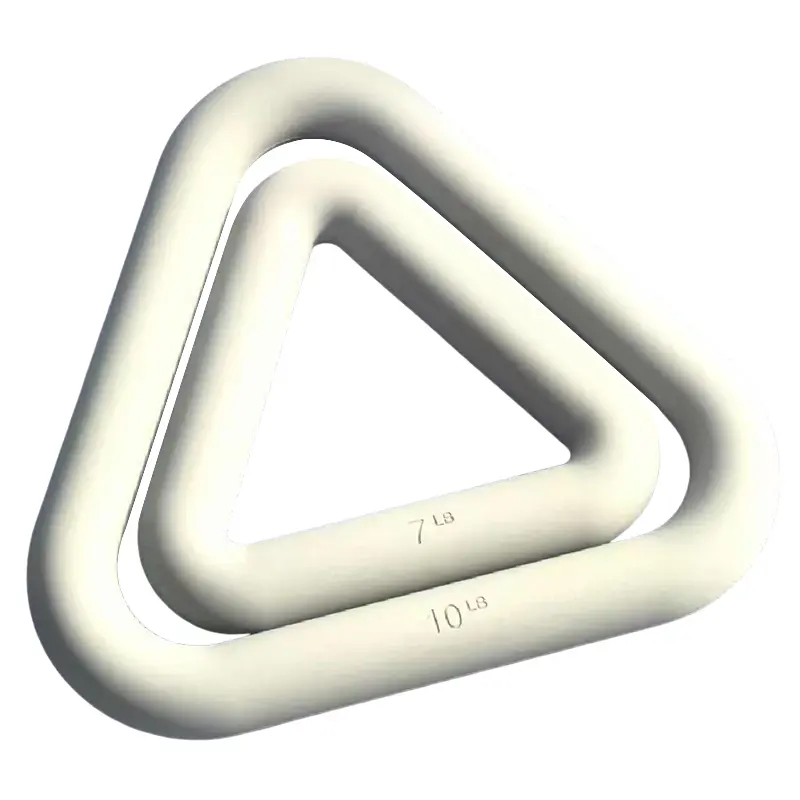
A Triangular Weighted Ring is a resistance-training accessory characterized by its triangular geometric profile and weighted construction. Unlike a conventional circular weight, its shape introduces a different contact geometry that can help the product remain more stable when positioned against the body during appropriate movements.
BogaSports presents this product concept as part of its silicone weighted accessories collection. The design combines an iron weight core with a silicone outer layer, bringing together resistance and a softer external surface.
The ring is intended for users seeking an alternative to traditional fitness weights for controlled functional training. Depending on the specific product configuration, potential users include:
It is important to distinguish this product from a traditional flexible Pilates resistance ring. A weighted ring supplies mass-based resistance, whereas a spring-style Pilates ring primarily provides resistance through compression. The appropriate choice depends on the exercise and the intended training outcome.
Product geometry influences how a fitness accessory contacts the body, how it is handled, and how it behaves during movement. A triangular profile offers several practical considerations for exercise design.
Round weights can roll or change position when placed on the floor or used during dynamic exercises. A triangular shape offers flatter contact surfaces and distinct edges that may help reduce unwanted rolling, depending on the surface and orientation.
When the ring is worn or held correctly, its geometry may also help it sit more consistently against the intended area. Actual stability depends on the product dimensions, fit, exercise technique, and movement intensity.
Resistance is useful only when the user can manage it throughout the movement. A well-fitted weighted accessory can add external load to controlled exercises without requiring the user to hold a conventional dumbbell.
For example, a suitably designed wearable weighted ring may be incorporated into lateral leg raises or other controlled lower-body movements. Users should choose an appropriate load and avoid exercises that cause the accessory to shift excessively.
Beyond functionality, geometric design can influence how a product stands out in a competitive fitness market. The triangular silhouette gives brands a recognizable alternative to common circular weights and may support a coordinated collection of modern fitness accessories.
For retailers and private-label brands, the combination of distinctive geometry, surface finish, and customizable appearance can contribute to product differentiation without relying solely on marketing claims.
Material selection affects a weighted fitness accessory's feel, durability, maintenance requirements, and perceived quality. Buyers should evaluate the complete construction rather than judging a product by appearance alone.
An iron core provides the mass needed to create resistance in a compact form. The appropriate weight depends on the intended user, the movement being performed, and the user's training experience. A product intended for controlled rehabilitation exercises may require different loading options from one designed for general fitness training.
A silicone-coated exterior offers a smoother contact surface than exposed metal and can make the accessory more comfortable to handle. The finish may also help protect the underlying core from direct contact during ordinary use.
Buyers should confirm the silicone specification, surface quality, cleaning instructions, and resistance to wear with their supplier. Material suitability should be verified against the product's actual intended use rather than assumed from the word "silicone" alone.
For a product category overview, buyers can also explore BogaSports fitness accessories to understand the wider range of yoga and functional training equipment.
A weighted ring can complement selected exercises by introducing manageable external resistance. The most appropriate applications depend on the ring's design, weight, fit, and whether it is intended to be worn or held.
When the product is specifically designed for secure wearable use, a suitable weighted ring may be incorporated into controlled lower-body exercises. Examples include:
Start with movements that allow the accessory to remain securely positioned. If the ring slips, causes discomfort, or changes your movement mechanics, stop and reassess the fit or exercise choice.
Some users combine weighted accessories with low-impact training sessions to add variety to familiar movements. A weighted ring can be useful when the exercise calls for additional mass rather than the compressive resistance of a spring-loaded Pilates ring.
However, not every weighted ring is suitable for every Pilates movement. Confirm whether the product is designed to be held, worn, or placed against a particular body area before incorporating it into a routine.
Progression should be based on movement quality and control, not on increasing weight as quickly as possible. Users can begin with a manageable load, maintain a consistent range of motion, and increase difficulty only when the current exercise can be completed comfortably.
People recovering from injury or managing physical limitations should seek guidance from a qualified healthcare or rehabilitation professional before adding weighted resistance.
Different weighted accessories solve different training problems. The following comparison highlights general design characteristics rather than suggesting that one product is universally superior.
| Evaluation Factor | Triangular Weighted Ring | Conventional Round Weight | Spring-Style Pilates Ring |
|---|---|---|---|
| Resistance mechanism | Added mass | Added mass | Compression resistance |
| Basic geometry | Triangular ring profile | Usually circular or cylindrical | Usually circular with flexible resistance |
| Rolling behavior | Flat sides may help reduce rolling | May roll depending on shape | Depends on construction and storage |
| Typical use | Selected functional exercises, subject to product design | General strength and resistance training | Pilates squeezing and controlled resistance exercises |
| Grip or body contact | Depends on fit and outer material | Depends on handle and surface | Depends on handles and frame padding |
| Key buying priority | Geometry, fit, weight, and finish | Load, handle design, and dimensions | Resistance level, flexibility, and comfort |
This comparison shows why product selection should begin with the intended exercise. A triangular weighted design may be attractive for buyers prioritizing compact construction and reduced rolling, while conventional weights remain suitable for many established strength-training movements.
Whether you are purchasing one accessory for home training or evaluating products for a retail collection, a structured selection process can help avoid unsuitable purchases.
Consider whether the product is for beginners, experienced fitness enthusiasts, studio members, or a specialized customer group. Different users may require different weight levels, sizes, and handling characteristics.
Heavier is not automatically better. The load should allow the user to maintain controlled movement and appropriate technique. Ask the supplier to confirm available weight options and whether custom specifications are possible.
If the ring is designed to be worn around a limb, confirm its circumference, contact points, and intended placement. If it is designed to be held, examine its grip and handling characteristics. Do not assume that all triangular rings share the same dimensions or application.
A clear specification sheet makes it easier to compare suppliers and assess whether a product meets your target market's expectations.
For distributors, retailers, fitness studios, and private-label businesses, selecting a weighted ring also involves supply-chain and merchandising considerations. A distinctive product design is valuable when supported by consistent specifications and a clear purchasing process.
Customization may allow brands to align the product with their existing fitness collections. Depending on manufacturing feasibility, buyers can discuss options such as:
Not every option is available for every model. Confirm the available specifications, minimum order quantities, sample lead times, and production schedule directly with the manufacturer.
Commercial buyers should establish acceptance criteria before placing a purchase order. These may cover product weight, dimensions, surface finish, packaging condition, and visual defects. For repeat orders, retaining an approved sample and written specification can help reduce avoidable differences between production batches.
It is also worth asking how the supplier handles defective units, production changes, and packaging requirements. Clear communication at the quotation stage can make later replenishment easier to manage.
A Triangular Weighted Ring may complement other weighted accessories, yoga equipment, or functional training products. Retailers can organize their assortment around customer needs, such as home fitness, studio training, or compact resistance equipment.
To explore related products, visit the BogaSports website and review its broader fitness accessory offering.
A Triangular Weighted Ring is a weighted fitness accessory designed for selected resistance and functional training exercises. Depending on its construction and intended use, it may support controlled lower-body movements, glute-focused exercise routines, and other activities that benefit from additional mass.
BogaSports describes its triangular weighted product concept as using an iron core with a silicone outer layer. Buyers should confirm the exact material specifications and any applicable material documentation for the model they intend to purchase.
The main difference is geometry. A triangular profile has flatter sides that may reduce unwanted rolling compared with a rounded object, depending on orientation and surface conditions. The practical advantage varies with the exercise and product design.
Beginners may be able to use an appropriately weighted model for controlled exercises if the product is suitable for the intended application. Start with a manageable load, prioritize technique, and stop if the accessory shifts or causes discomfort.
No. A weighted ring creates resistance primarily through its mass, while a conventional spring-style Pilates ring creates resistance when compressed. The two products serve different purposes and should not be treated as interchangeable for every exercise.
Customization may be available for selected specifications, such as color, branding, or weight. Businesses should contact BogaSports to confirm current options, minimum order quantities, sample arrangements, and production timelines before making purchasing decisions.
Follow the manufacturer's care instructions. In general, inspect the product regularly for visible damage, clean the exterior with an appropriate method, and store it in a dry place away from conditions that may damage its materials. Do not continue using a ring with a cracked surface, exposed core, or compromised structure.
A Triangular Weighted Ring offers a distinctive approach to weighted fitness equipment by combining a geometric profile with a mass-based resistance design. Its potential advantages include reduced rolling in suitable conditions, a recognizable appearance, and versatility across selected controlled exercises. However, the right choice still depends on weight, fit, construction quality, and the user's training goals.
For fitness retailers, distributors, and private-label brands, product evaluation should extend beyond appearance to include material specifications, quality consistency, customization feasibility, and supply requirements. A carefully selected weighted accessory can help create a more differentiated product range while meeting the practical needs of its intended users.
If you are sourcing a Triangular Weighted Ring for your fitness brand, studio, or distribution business, BogaSports can help you explore product specifications and potential customization options. Visit BogaSports to learn more about its fitness accessory range, discuss your target market and branding requirements, and contact us to request product details, samples, or a quotation for your next project.
-